
Recent news in Food & Feed Analysis
EFSA Report 2024: Key Zoonoses and Detection Solutions
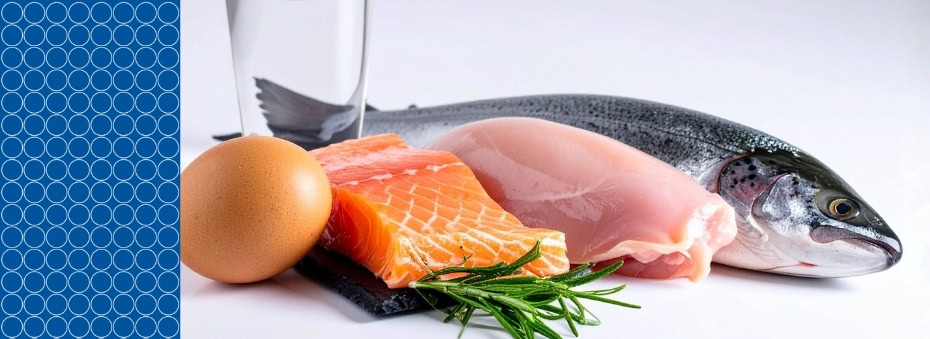
Food safety remains a central challenge not only in the European Union but worldwide. The recently published EFSA One Health 2024 Zoonoses Report highlights the continued prevalence of major foodborne pathogens: Salmonella, Listeria monocytogenes, Campylobacter, and Shiga toxin-producing E. coli (STEC). These pathogens are responsible for thousands of human cases each year and remain a priority for public health authorities and the food industry.
Key Pathogens Driving Disease in 2024
- Campylobacter – the most common zoonotic disease in the EU
- Salmonella – second most reported and a major cause of foodborne outbreaks
- STEC (Shiga toxin-producing E. coli) – showing continued upward trends, partially driven by more sensitive testing
- Listeria monocytogenes – less frequent but recognized as a serious disease with high risk of severe outcomes among vulnerable populations
| Agent pathogène | Cas humains (2024) | toxi-infections alimentaires | Principales sources | Solution de détection |
|---|---|---|---|---|
| Campylobacter | 168,396 | 314 | Poultry | SuerFast® Campylobacter 4plex |
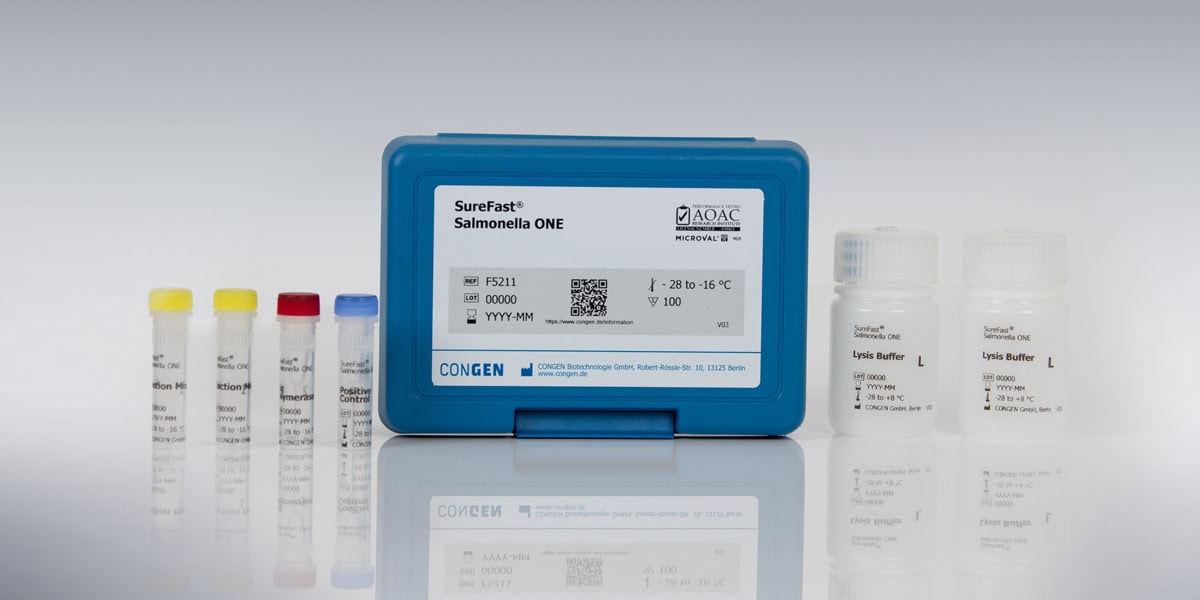
| Salmonella | 79,703 | 1,238 | Eggs, mixed foods, bakery products | SureFast® Salmonella ONE |
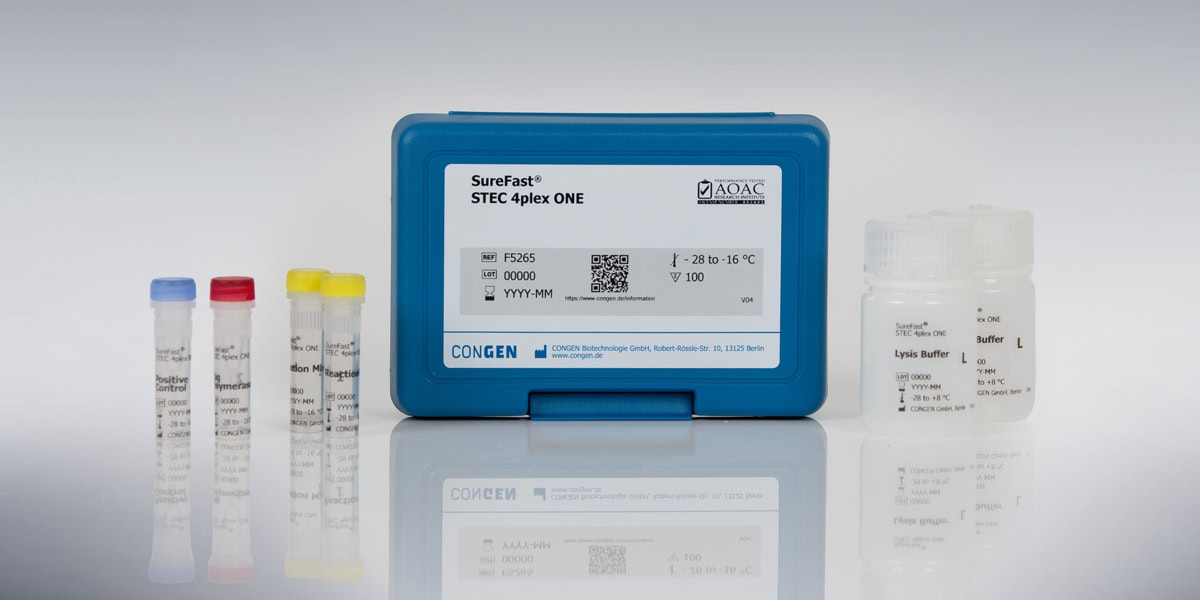
| STEC (E. coli producteurs de toxines Shiga) | 11,738 | 31 | Beef, raw products, water | SureFast® STEC 4plex ONE |
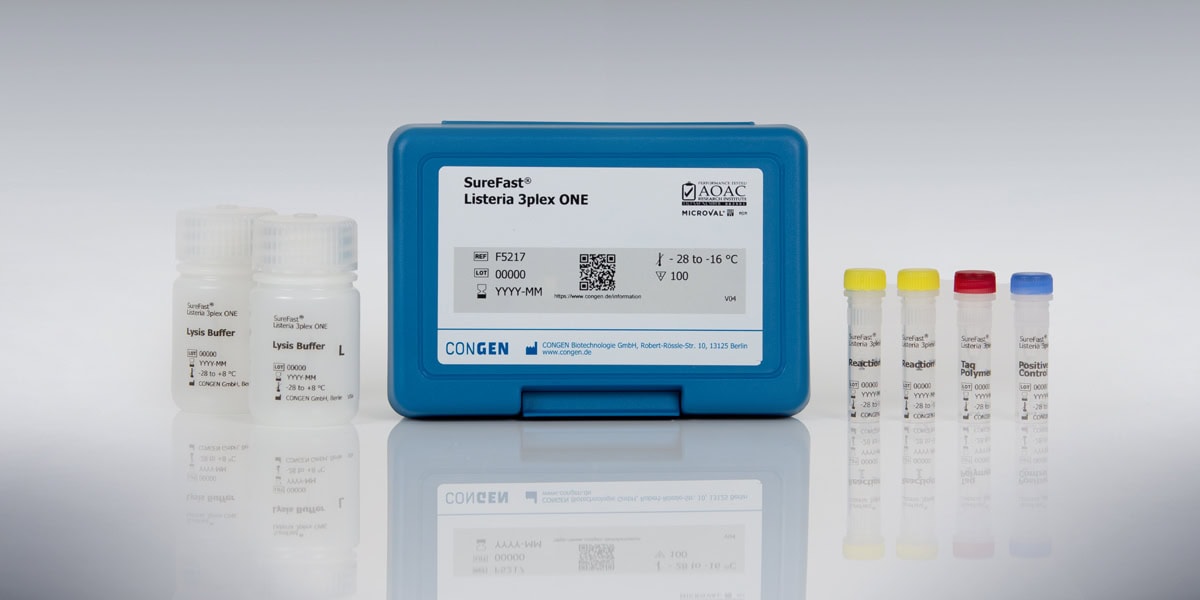
| Listeria monocytogenes | 3,041 | 38 | Ready-to-eat meat & fish | SureFast® Listeria 3plex ONE |
The One Health Zoonoses Report reveals that in 2024:
- 6,558 foodborne outbreaks were reported, up by 14.5 % compared to 2023
- Human cases and hospitalizations increased notably, although deaths showed a modest decline
- Salmonella, norovirus and Campylobacter were the most frequently identified causes of outbreaks
- Salmonella-in-eggs and egg products remained a particular agent-vehicle pair of concerns
- Listeria monocytogenes was responsible for 17 deaths, a striking figure considering it accounted for only 38 food-borne outbreaks. Thisunderscores its severe health impact, reflected in the case of a fatality rate of 8.1% and a hospitalization rate of 72.3%
This upward trend emphasizes that even as regulatory frameworks and monitoring improve, bacterial food safety hazards continue to pose real risk to public health and food supply systems across the EU.
Detection Solutions with SureFast® ONE real-time PCR kits
To support laboratories and food producers in safeguarding consumers, we offer validated detection kits tailored to these pathogens:
- SureFast® Salmonella ONE – rapid and reliable detection of Salmonella.
- SureFast® Listeria 3plex ONE – sensitive detection of Listeria spp. & Listeria monocytogenes.
- SureFast® STEC 4plex ONE – accurate detection of stx1 (subtype a-d), stx2 (subtype a-g), eae & Escherichia coli serotype O157.
The SureFast® ONE kits are designed for use with automated workflows, such as the epMotion® 5073 Automated Liquid Handling System, ensuring efficiency, reproducibility, and compliance with regulatory standards.
Conclusion
The EFSA report underscores the importance of continuous monitoring and reliable detection methods in food safety. With our SureFast® ONE kits, laboratories and producers are equipped to meet these challenges and protect consumers across Europe.
Learn more about how SureFast® ONE kits can strengthen your food safety strategy
Source: EFSA One Health 2024 Zoonoses Report